
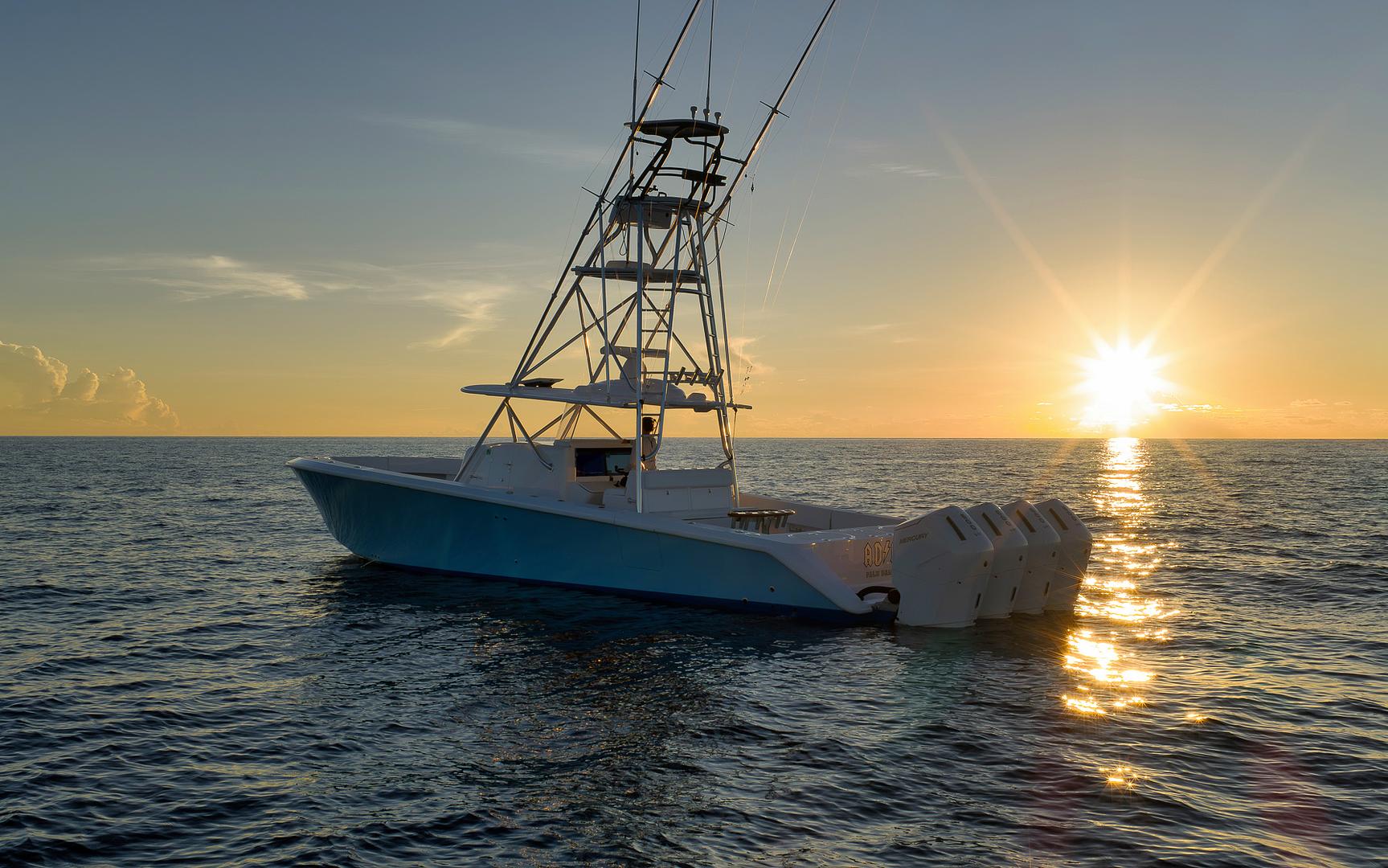
When exploring boat sales West Palm Beach, many prospective buyers face the choice between new and used boats. Whether you are buying your first boat or upgrading your current one, understanding the differences between new and used vessels is essential. This guide will walk you through key factors to consider, including costs, financing options, warranties, and resale value, helping you decide which choice fits your lifestyle and budget.
Introduction
Boat sales West Palm Beach are popular because of the region's extensive waterways, marinas, and recreational boating opportunities. Buyers often face the choice of purchasing a new or used boat, each offering unique benefits and challenges. Boats are a significant investment, and costs extend beyond the purchase price, including maintenance, insurance, and storage. Understanding the differences between new and used boats is crucial to making a decision that aligns with your lifestyle and financial goals.
Understanding New and Used Boats
What Constitutes New Boat Sales?
A new boat is a vessel that has not been previously titled or owned. New boats generally come with:
- Factory warranty coverage
- The latest technology and design features
- Unused engine hours
- Full manufacturer support
Buying new means you are the first owner, and the boat is in pristine condition.
What Defines Used Boats?
Used boats have had previous owners and can vary widely in condition, age, and features. They can include:
- Pre owned boats sold through reputable dealers
- Trade ins from other boat owners
- Boats sold privately by individual sellers
Because these boats have already been in use, their condition can range from nearly new to needing significant maintenance. Some used boats are well maintained with complete service records and may even include upgraded equipment, while others might require repairs, replacement parts, or additional enhancements to bring them up to modern standards. Buyers should carefully review the vessel’s history, inspect its structure and engine, and verify any documentation before making a purchase.
Local Context: Boat Sales West Palm Beach
West Palm Beach is a vibrant and active boating community with easy access to both the Atlantic Ocean and the Intracoastal Waterway. Boaters in this region often look for:
- Convenient access to well equipped marinas and docking facilities
- Opportunities for recreational fishing and a wide range of water sports
- Options for cruising, day trips, and overnight boating adventures
Understanding the local market trends is especially important, as seasonal demand can affect availability and pricing for both new and used boats. Additionally, considering resale potential, maintenance costs, and the popularity of certain boat types in this region can help buyers make informed decisions that align with their boating goals.
Cost Considerations for New vs Used Boats
When planning a purchase, it is important to consider multiple costs associated with boat ownership.
Purchase Price
New boats are usually more expensive because they offer the latest features and a full warranty. Used boats are generally less expensive but may require additional investment in maintenance or upgrades.
Insurance Costs
Insurance premiums are affected by boat value, size, and features. New boats may have higher insurance costs due to their replacement value. Used boats often cost less to insure, but older vessels or high performance models may carry additional risk factors.
Maintenance Costs
New boats typically have lower maintenance needs initially due to new parts and minimal wear. Used boats may need more frequent servicing depending on their condition, although well maintained vessels with a documented service history can be reliable.
Depreciation
Depreciation is an important consideration. New boats experience faster depreciation early in their ownership, while used boats have already undergone much of their depreciation, which can make value retention more predictable.
Warranties and Protection
New Boat Warranty Benefits
A new boat warranty often includes:
- Engine coverage
- Hull and structural protection
- Electronics and accessories
- Material defect protection
Warranties provide peace of mind and reduce unexpected repair costs.
Coverage Considerations for Used Boats
Used boats may no longer be covered under the original manufacturer warranty unless it is transferable or still valid. Buyers may face higher out of pocket costs if repairs are needed.
Extended Protection Plans
Extended plans can supplement warranties for both new and eligible used boats, offering additional coverage for parts, labor, and breakdown assistance.
Financing Options for Boats
Loan Structures
Boat loans can be fixed rate or variable rate and may include alternative structures like balloon payments. Lenders typically secure the loan using the boat as collateral.
Interest Rates and Terms
Interest rates depend on creditworthiness, down payment, and the age of the boat. New boats often qualify for promotional rates through dealers, while used boats may have stricter terms.
Down Payments and Qualification
Lenders usually require a portion of the purchase price as a down payment. Proof of income, insurance, and credit checks are standard requirements.
Alternative Financing Routes
Other options include personal loans, home equity loans, and marine finance specialists, each with unique terms and considerations.
Resale Value and Long Term Ownership
Factors Affecting Resale Value
Resale value depends on brand reputation, maintenance history, market conditions, equipment, and seasonal demand in West Palm Beach.
Selling a Used Boat
Selling a used boat involves preparing it for sale, maintaining service records, setting an accurate price, and marketing effectively to local buyers.
Retaining Value with Maintenance
Regular maintenance helps preserve value, including mechanical upkeep, hull care, and electronics updates.
Practical Considerations
Intended Use and Lifestyle
Your boating lifestyle affects the type of vessel you need. Consider recreational cruising, fishing, water sports, or overnight trips.
Environmental and Technological Trends
New boats may feature better fuel efficiency, modern electronics, and environmentally friendly options. Used boats may not include these updates but can still perform reliably.
Storage and Mooring
Storage options in West Palm Beach include marina slips, dry stack storage, and home storage. These costs should factor into your budget.
Insurance and Registration
Registration and insurance costs vary depending on the vessel type, usage, and local regulations. Understanding these requirements is essential before purchase.
Conclusion
Choosing between new and used boats in boat sales West Palm Beach requires consideration of lifestyle, budget, long term goals, and preferences. New boats offer modern features and warranty protection, while used boats often provide lower entry costs and predictable depreciation. Evaluating financing options, warranty coverage, maintenance requirements, and resale value ensures an informed decision.
At Sparks Yacht Sales, we provide resources and listings to guide you through your boating purchase. Contact us today to explore options and get expert advice.
Frequently Asked Questions
Q1: What are the advantages of buying a new boat?
New boats come with a full warranty, modern technology, and minimal maintenance needs.
Q2: Are used boats a better value?
Used boats can be more affordable upfront and experience slower depreciation, but may require more maintenance.
Q3: How does financing differ between new and used boats?
New boats may qualify for promotional rates and dealer financing, while used boats can have stricter lending requirements.
Q4: Is resale value better for new or used boats?
Used boats often retain value more predictably, while new boats experience higher initial depreciation.
Q5: What additional costs should I expect?
Budget for insurance, storage, maintenance, fuel, registration, and potential upgrades.