
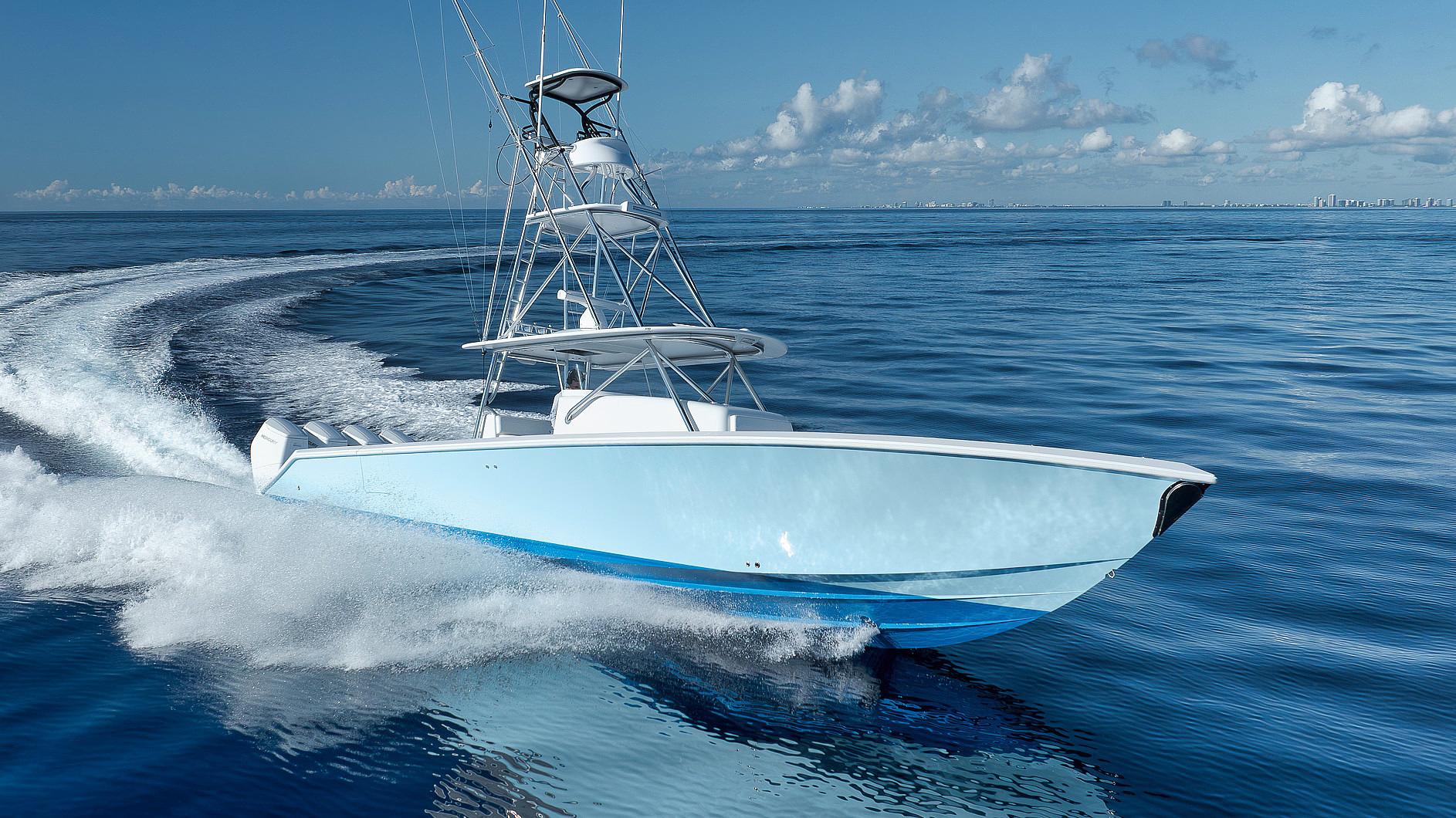
Sparks Boat services focus on how thoughtful rigging and outfitting choices directly affect real world vessel performance. From fishing efficiency to onboard system reliability, custom rigging plays a major role in how a boat handles, operates, and adapts to its owner’s needs. Rather than focusing on appearance alone, performance driven rigging emphasizes balance, integration, and long term usability.
This article explores how custom rigging and outfitting influence boat performance, with attention to rod holders, live well integration, tower installation, and electronics tuning. It also looks at how these upgrades apply to refits, including used Bahama boats for sale and vessels in the boat sales Palm Beach market.
Understanding Custom Boat Rigging and Its Role in Performance
What custom rigging means in real world boating?
Custom rigging refers to the design and installation of onboard systems tailored to how a boat is actually used. This includes electrical systems, fishing equipment, towers, plumbing, and electronics. Unlike factory standard layouts, custom rigging allows components to be placed and configured based on specific performance goals.
For example, an offshore fishing boat may prioritize rod holder placement and live well circulation, while a dual purpose vessel may focus on electronics tuning and ergonomic helm layouts. Custom rigging aligns the boat’s systems with its intended environment and operating style.
How rigging impacts efficiency, safety, and usability?
Rigging decisions affect several core aspects of performance:
- Electrical reliability and power distribution
- Deck space and movement efficiency
- Operator visibility and control
- Load balance and fuel efficiency
Poorly planned installations can introduce electrical interference, uneven weight distribution, or limited access to key controls. Proper rigging helps avoid these issues and supports predictable, repeatable performance.
Core Performance Areas Addressed by Custom Rigging
Weight distribution and balance
Every added component contributes to a boat’s overall weight profile. Custom rigging considers where equipment is mounted to avoid listing, excessive bow rise, or handling inconsistencies. Balanced installations support smoother planing and improved fuel efficiency.
Electrical reliability and system layout
Modern boats rely heavily on electronics. Clean wiring runs, proper grounding, and thoughtful power management reduce the risk of voltage drops and interference. Custom rigging often includes reorganizing electrical systems to improve accessibility and troubleshooting.
Ergonomics and operator efficiency
Performance is not only mechanical. The placement of controls, displays, and equipment affects how quickly and safely a boat can be operated. Ergonomic layouts reduce fatigue during long runs and allow operators to focus on navigation and conditions.
Rod Holders and Their Impact on Fishing Performance
Placement considerations
Rod holders are most effective when positioned to match fishing techniques. Placement affects line angles, rod access, and deck movement. Custom layouts account for trolling patterns, drift fishing, and storage needs.
Materials and durability
Rod holders are exposed to constant stress from saltwater, vibration, and load. Material selection and mounting methods influence longevity and safety. Proper backing and reinforcement help prevent deck damage over time.
Custom rod holder layouts for different fishing styles
Different fisheries require different approaches. Offshore trolling setups may emphasize transom and gunwale holders, while inshore applications may favor quick access positioning. Custom rigging allows these distinctions to be addressed without compromise.
Live Well Integration for Better Bait Management
Plumbing and circulation design
Live well performance depends on consistent water flow and oxygenation. Custom plumbing layouts reduce dead zones and temperature fluctuations. Proper intake placement also minimizes aeration issues at speed.
Live well placement and deck flow
Where a live well is installed affects deck usability and weight distribution. Integrated designs keep bait systems accessible without disrupting movement or storage.
Performance benefits for offshore and inshore use
Healthy bait improves fishing efficiency. A properly integrated live well reduces bait loss and supports longer trips. Performance focused rigging treats live well systems as functional equipment rather than optional accessories.
Tower Installation and Structural Performance
Structural reinforcement considerations
Tower installation adds vertical load and wind resistance. Custom installations include reinforcement of mounting points and load paths to preserve hull integrity and handling characteristics.
Effect on stability and visibility
A tower can improve visibility for spotting fish or navigating busy waterways. However, improper installation can affect stability. Performance oriented rigging evaluates tower height, weight, and accessory load.
Wiring and accessory integration within towers
Towers often support antennas, lights, and controls. Clean wiring and protected routing reduce exposure to the elements and simplify maintenance.
Electronics Tuning and System Optimization
Calibrating sonar, GPS, and radar systems
Electronics tuning ensures that installed systems deliver accurate data. This includes transducer placement, software configuration, and calibration. Small adjustments can significantly improve readings.
Power management and interference reduction
Electrical noise can interfere with sensitive electronics. Custom rigging separates power circuits, improves grounding, and minimizes cross talk between systems.
Helm layout and usability
Display placement affects how information is processed while underway. Optimized layouts keep critical data within the operator’s natural field of view.
Performance Considerations in Boat Sales and Refits
Evaluating used Bahama boats for sale
When assessing used Bahama boats for sale, rigging quality is a key indicator of long term value. Clean wiring, updated electronics, and properly installed accessories suggest thoughtful ownership and easier future upgrades.
Boat sales Palm Beach market considerations
The boat sales Palm Beach market includes a wide range of vessels with varying levels of customization. Buyers often evaluate how easily a boat can be adapted to their needs through re rigging or system upgrades.
Retrofitting older boats with modern systems
Older boats can benefit significantly from modern rigging practices. Updating electrical systems, electronics, and deck layouts can extend service life and improve usability without altering hull design.
Long Term Value of Proper Custom Rigging
Maintenance and longevity
Well planned installations are easier to maintain. Clear access to wiring and plumbing reduces service time and helps identify issues early.
Resale considerations
Buyers often look closely at rigging quality. Clean, documented systems can support resale value by demonstrating careful ownership.
Adaptability for changing needs
Boating needs change over time. Custom rigging that anticipates future upgrades allows systems to be expanded without major rework.
Conclusion
Performance focused rigging influences nearly every aspect of how a boat operates, from fishing efficiency to navigation accuracy. By addressing weight balance, electrical reliability, and system integration, thoughtful rigging supports consistent and predictable use across different conditions.
Sparks Yacht Sales applies these principles across custom rigging, electronics tuning, and outfitting projects, helping owners better understand how their boats function and how improvements affect real world performance.
For more information or to discuss rigging and outfitting considerations contact us .
Frequently Asked Questions
Q1:What is the difference between factory rigging and custom rigging?
Factory rigging follows standardized layouts. Custom rigging adjusts component placement and system design based on how the boat is used.
Q2: Does custom rigging improve fuel efficiency?
Indirectly, yes. Better weight distribution and system integration can improve handling and reduce unnecessary drag or load.
Q3: Is electronics tuning necessary after installation?
Tuning ensures systems operate correctly together. Even high quality equipment benefits from calibration and adjustment.
Q4: Can older boats support modern electronics?
Most older boats can be updated with modern systems if electrical infrastructure is upgraded appropriately.
Q5: How does tower installation affect boat handling?
Properly installed towers are designed to minimize impact on stability. Reinforcement and weight management are critical.
Q6: What should buyers look for when evaluating rigging on used boats?
Buyers should inspect wiring quality, mounting integrity, and system organization. Clean installations often indicate better long term reliability.