
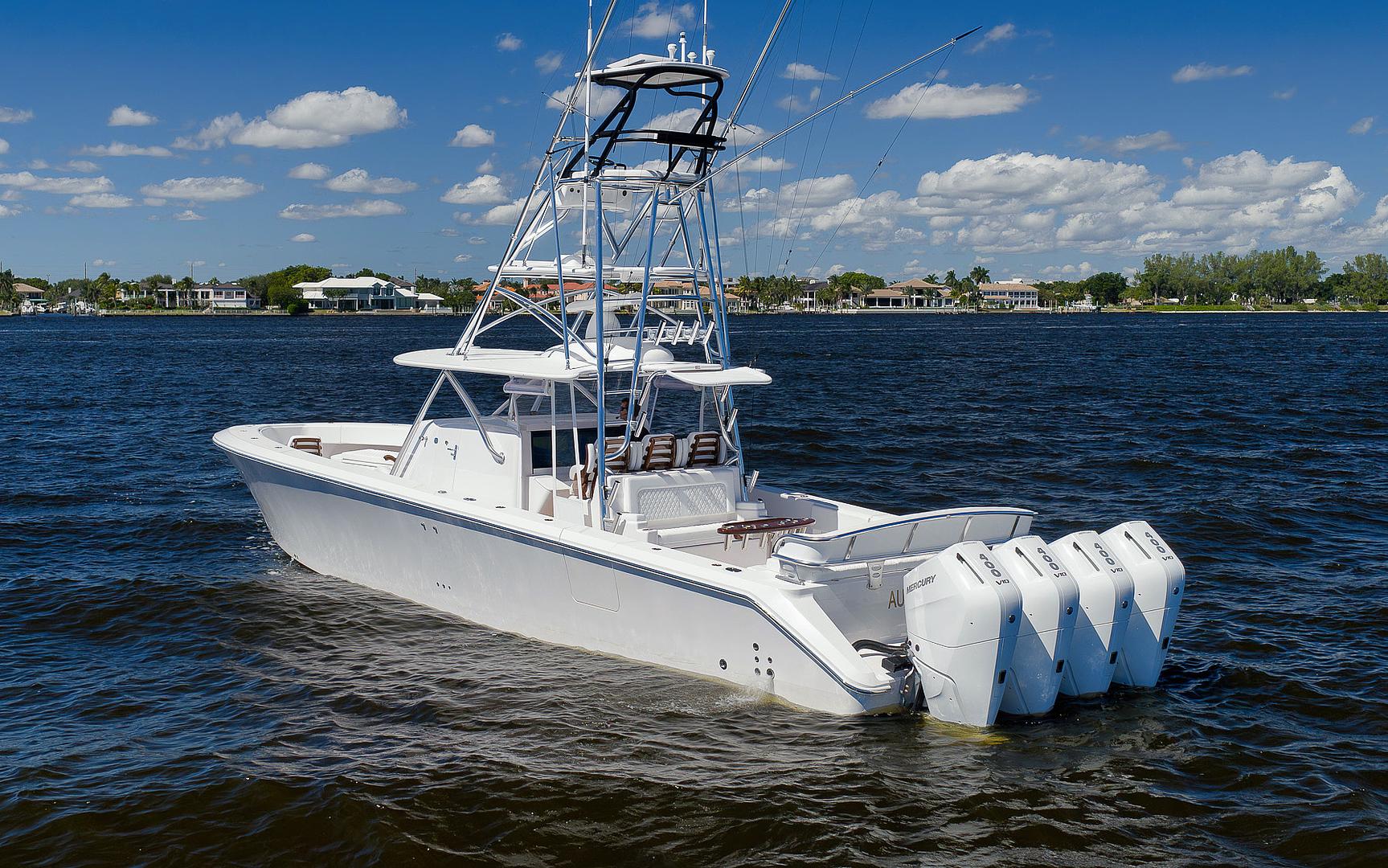
Center Console Boats are a popular choice for Florida boaters due to their versatility, performance, and suitability for offshore and inshore waters. From fishing and cruising to family outings, these boats are designed to handle diverse marine conditions. However, Florida’s unique climate and saltwater environment require consistent and informed care to keep a center console boat in optimal condition.
This guide explains how to maintain center console Florida owners rely on, focusing on long term protection, performance, and safety. The information is intended for both new and experienced boat owners and emphasizes practical maintenance steps without exaggeration or sales language.
Why Center Console Boats Require Specialized Maintenance in Florida?
Florida offers year round boating opportunities, but this benefit comes with challenges. Saltwater exposure, high humidity, intense sunlight, and biological growth accelerate wear on hulls, engines, and onboard systems. Center console boats, often used more frequently than other vessel types, experience higher exposure to these elements.
Proper maintenance is not only about preserving appearance but also about ensuring mechanical reliability and safety on the water.
Understanding the Florida Marine Environment
Florida’s marine environment affects boats in several key ways:
- Saltwater increases corrosion risks
- UV exposure accelerates gel coat fading
- Warm waters promote algae and barnacle growth
- Humidity encourages mold and mildew
- Long boating seasons reduce downtime for repairs
These factors make routine inspection and preventative care essential for center console boats.
Hull and Gel Coat Care
Gel Coat Care Best Practices
Gel coat serves as the protective outer layer of a fiberglass hull. In Florida, UV radiation and salt exposure can cause oxidation, chalking, and fading if not addressed regularly.
Recommended gel coat care steps include:
- Washing the hull with freshwater after each outing
- Using marine grade, non abrasive cleaners
- Applying UV protective wax every three to four months
- Addressing minor scratches early to prevent water intrusion
Regular gel coat care not only preserves appearance but also helps maintain hull integrity.
Preventing Oxidation and Fading
Oxidation occurs when prolonged sunlight breaks down the gel coat surface. Preventive measures include:
- Covered storage when possible
- Use of breathable boat covers
- Scheduled polishing to restore shine
- Avoiding harsh household cleaners
Anti Fouling and Bottom Maintenance
What Anti Fouling Is?
Anti fouling coatings are designed to prevent marine growth such as barnacles and algae from attaching to the hull. Florida’s warm waters make this a critical maintenance area for center console boats.
Choosing the Right Anti Fouling Paint for Florida
Selecting appropriate anti fouling products depends on usage patterns and water conditions. Key considerations include:
- Type of paint compatible with fiberglass hulls
- Local water salinity and temperature
- Frequency of boat use
- Marina or dry storage location
Regular inspection ensures coatings remain effective and prevents hull drag and fuel inefficiency.
Engine Maintenance and Engine Flushing
Importance of Engine Flushing
Engine flushing is one of the most critical steps in maintaining a center console boat. Saltwater residue can corrode internal engine components if left untreated.
Best practices include:
- Flushing engines with freshwater after every saltwater outing
- Following manufacturer recommended flushing duration
- Inspecting flushing ports for blockages
Consistent engine flushing extends engine lifespan and reduces unexpected mechanical issues.
Outboard and Inboard Considerations
Center console boats often feature outboard engines. Maintenance steps should include:
- Checking propellers for damage
- Inspecting cooling systems
- Monitoring oil levels
- Scheduling professional servicing at recommended intervals
Electrical and Fuel System Maintenance
Electrical and Fuel System Maintenance
Battery Care
- Florida heat accelerates battery wear. Preventative care includes:
- Keeping terminals clean and corrosion free to ensure proper electrical flow and reduce resistance that can strain onboard systems. Corrosion buildup can lead to voltage drops, unreliable engine starts, and shortened battery life if not addressed early.
- Checking charge levels regularly using a marine grade voltmeter helps identify declining performance before failure occurs. Batteries that remain undercharged for extended periods may suffer internal damage, especially in high temperature environments.
- Replacing batteries at the first sign of weakness is recommended to avoid unexpected power loss on the water. Slow engine cranking, dim electronics, or difficulty holding a charge are indicators that replacement should not be delayed.
Fuel System Inspection
Fuel systems require regular attention due to ethanol fuel sensitivity:
- Inspect fuel lines for cracks or brittleness, as ethanol blended fuels can degrade older hoses over time, increasing the risk of leaks or restricted fuel flow.
- Use marine fuel stabilizers to minimize fuel separation, prevent moisture buildup, and maintain consistent engine performance during periods of inactivity.
- Replace fuel filters annually to ensure contaminants, water, and debris do not reach the engine, which can lead to reduced efficiency or mechanical issues.
Upholstery and Interior Protection
Upholstery Protection Strategies
Upholstery protection is essential due to sun exposure and moisture. Steps include:
- Cleaning vinyl seating with marine grade cleaners
- Applying UV protectants regularly
- Using seat covers when not in use
Mold and Mildew Prevention
Humidity increases mold risks. Preventative measures include:
- Adequate ventilation
- Dehumidifiers during storage
- Immediate cleanup of spills
Seasonal Maintenance and Winterization
Florida Specific Winterization
While Florida winters are mild, winterization remains important for periods of inactivity.
Winterization steps may include:
- Engine inspection
- Fuel stabilization
- Battery maintenance
- Covering exposed components
Storage Considerations
Whether stored on trailers or in marinas, boats benefit from:
- Regular inspections during storage
- Proper drainage
- Secure coverings
Buying Considerations for Used Center Console Boats
Maintenance History Review
When evaluating used boats, maintenance records provide insight into vessel condition. Buyers exploring used boats for sale Palm Beach should review:
Engine service logs, which indicate how consistently the vessel has been serviced and whether recommended intervals were followed. Regular oil changes, inspections, and documented repairs suggest responsible ownership and reduced risk of hidden mechanical issues.
Hull maintenance history, including records of cleaning, polishing, and repairs, helps identify how well the boat has been protected from saltwater exposure, UV damage, and physical wear over time.
Anti fouling application records, which show how often bottom coatings were applied or refreshed, can reveal whether the vessel was properly protected against marine growth common in Florida waters.
Market Insights for Palm Beach Buyers
The Palm Beach market includes a wide range of yachts for sale Palm Beach and center console boats suited for Florida waters. Understanding prior maintenance helps buyers assess long term ownership costs, anticipate future service needs, and make informed comparisons between similar vessels before purchasing.
Conclusion
Maintaining center console boats in Florida requires consistent attention to hull care, anti fouling protection, engine flushing, upholstery protection, and seasonal preparation. Understanding how environmental factors impact your vessel allows owners to take preventative steps that support long term reliability and safety.
For boat owners seeking additional guidance or evaluating maintenance history when purchasing, Sparks Yacht Sales provides knowledgeable insight into center console boats and the Florida boating market.
Contact Us to learn more about center console boats or to discuss maintenance considerations.
Frequently Asked Questions
Q1: How often should I maintain a center console boat in Florida?
Routine maintenance should occur after every outing, with more in depth inspections scheduled monthly, seasonally, and annually depending on usage.
Q2: Is anti fouling necessary for all center console boats?
Anti fouling is recommended for boats kept in water for extended periods. Boats stored on trailers may require less frequent application.
Q3: Why is engine flushing so important?
Engine flushing removes salt and debris that can corrode internal components, extending engine lifespan and reliability.
Q4: What is the best way to protect upholstery?
Regular cleaning, UV protectants, and covered storage help preserve upholstery condition in Florida’s climate.
Q5: Does Florida require full winterization?
Full winterization may not be necessary, but fuel stabilization and battery care are still important during periods of inactivity.