
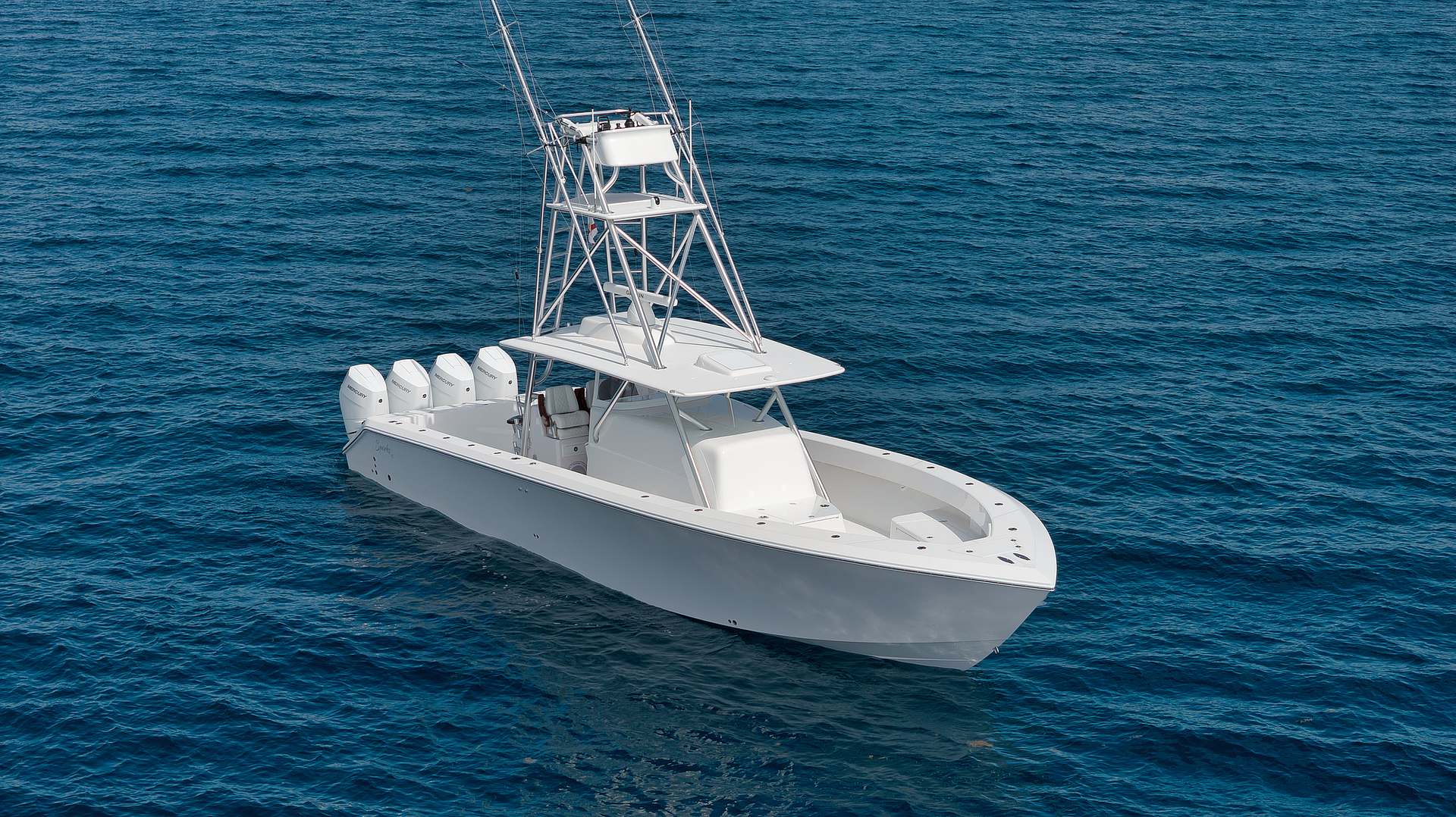
Used Bahama boats have earned a reputation for exceptional offshore performance, solid construction, and long-lasting reliability. For buyers in Florida searching through Sparks Yacht Sales, understanding how to evaluate a pre-owned Bahama center console is critical. Even well-maintained vessels can hide issues that affect safety, performance, and resale value.
This guide provides a comprehensive used Bahama center console inspection checklist, covering hull integrity, console electronics, powertrain condition, and corrosion check. Following this structured approach ensures you make an informed purchase and enjoy your vessel for years to come.
Why Pre-Purchase Inspections Matter for Used Bahama Boats?
Purchasing a pre-owned Bahama is not just about price. Each boat comes with a unique history, including usage patterns, maintenance habits, and environmental exposure. A systematic inspection helps you:
- Assess structural integrity and detect hidden damage
- Evaluate engine and mechanical systems for reliability
- Verify electronics functionality and safety features
- Identify corrosion or water damage before it escalates
A professional marine survey is highly recommended, but understanding what to check personally empowers you to negotiate confidently and avoid costly surprises.
Hull Integrity: The Backbone of Offshore Performance
The hull defines your boat’s ride quality, seaworthiness, and overall longevity. Focusing on hull integrity first allows you to detect major issues before evaluating other systems.
Exterior Hull Inspection
Start with a thorough visual inspection:
- Look for cracks, blisters, or repaired areas in the gelcoat. These may indicate prior impacts or water intrusion.
- Examine high-stress areas such as the transom, chines, and bow for signs of stress or previous damage.
- Check for osmosis, small bubbles in the gelcoat indicating water penetration into the fiberglass. While minor, widespread osmosis may require professional repair.
A tap test using a plastic mallet can detect soft or hollow areas, suggesting potential core damage. Minor cosmetic blemishes are normal, but structural flaws can affect performance and safety offshore.
Deck and Transom
The deck and transom support major load areas, including seating, consoles, and engines. Evaluate:
- Deck firmness by walking and applying pressure around hatches, the console base, and seating areas. Spongy or soft spots may signal water intrusion into the core.
- Transom condition around engine mounts, including bolt security and any signs of flexing. The transom must support the outboard motors safely without any compromise.
Well-maintained decks and transoms reflect responsible ownership and reduce the risk of costly repairs later.
Core and Stringer Check
Stringers and internal core structures provide hull strength and stability. Inspect for:
- Wet or soft areas along the stringers or bulkheads
- Signs of past repairs or epoxy patches
Damage in these areas can compromise ride quality and offshore safety.
Console Electronics: Ensuring Safety and Functionality
Modern Bahama center consoles often feature integrated technology, including navigation, communication, and fish-finding systems. A careful assessment ensures your electronics perform reliably offshore.
Power and Function Test
- Power on all multifunction displays, GPS, radar, VHF radios, and autopilot systems.
- Verify proper boot-up, screen clarity, and responsiveness.
Wiring and Battery Evaluation
- Check wiring behind the console for corrosion, frayed insulation, or loose connections.
- Examine batteries for terminal corrosion and confirm charging systems function properly.
Navigation and Communication Check
- Test GPS for satellite acquisition
- Confirm radar readings and VHF radio transmission
Properly functioning electronics are essential for safety, navigation, and communication in offshore conditions.
Powertrain Condition: Engine Health and Performance
Engine reliability is a critical factor in long-term satisfaction with a used Bahama. The powertrain encompasses not only the engine(s) themselves but also the drive systems, propellers, controls, and related mechanical components that collectively determine how the boat performs under different sea conditions. Understanding the health of the entire powertrain is essential for ensuring safety, efficiency, and durability offshore.
Reviewing Maintenance History
Ask the seller for comprehensive service records, including oil changes, water pump replacements, lower unit servicing, and any major repairs or upgrades. A consistent maintenance history often outweighs low engine hours, as regular care reduces the likelihood of hidden wear and unexpected failures. Knowing when belts, impellers, or hoses were last replaced can also provide insight into the remaining service life of critical components.
Visual Engine Inspection
Carefully inspect the engine and surrounding systems for signs of wear or damage:
- Corrosion on brackets, mounts, and exposed hardware
- Oil or fuel leaks around seals, gaskets, or fittings
- Saltwater exposure effects on cowling, exhaust ports, or other external parts
Engines operating in saltwater environments demand extra attention, as even minor neglect can lead to costly repairs over time. Observing the general cleanliness and care of the engine compartment often reflects how well the entire vessel has been maintained.
Sea Trial Observations
A sea trial provides real-world insight into engine performance and overall handling:
- Smooth idle and seamless acceleration response
- Proper RPM range without unusual vibration or noise
- Responsive steering and effective trim tab performance
- Engine temperature, exhaust, and fluid monitoring under load
Any abnormal sounds, vibrations, hesitation, or overheating during a sea trial may indicate mechanical problems that require further evaluation. Observing how the engine responds under different speeds and sea conditions is one of the most reliable ways to assess its true condition before purchase.
Corrosion Check: Protecting Against Saltwater Damage
Saltwater exposure accelerates corrosion, impacting safety and durability. A systematic check includes:
- Stainless steel fittings, cleats, rod holders, and railings for rust or pitting
- Electrical terminals and connections for corrosion
- Fuel lines and clamps for deterioration
- Hydraulic steering and trim tabs for smooth operation
Corrosion in critical areas can lead to mechanical failure and compromised electronics.
Fuel, Plumbing, and Bilge Systems
Reliable fuel and bilge systems are essential for safety and convenience.
Fuel System
- Inspect fuel tanks and lines for leaks, cracks, or corrosion
- Confirm clamps and fittings are secure
Plumbing and Livewell
- Test livewell pumps, washdown systems, and freshwater supply
- Inspect through-hull fittings for tight seals
Bilge System
- Ensure bilge pumps operate correctly
- Check for standing water or oil residue
A well-maintained fuel and plumbing system supports safe and stress-free offshore operation.
Professional Survey and Documentation
Even with a careful personal inspection, a certified marine surveyor provides:
- Detailed hull and core analysis
- Mechanical and electrical system assessment
- Corrosion detection
- Accurate valuation for insurance or resale purposes
Additionally, reviewing documentation, including maintenance logs, previous surveys, and repair records, provides confidence in your purchase.
Cost Considerations Beyond Purchase Price
Owning a used Bahama involves ongoing costs:
- Engine and electronic service
- Routine corrosion prevention
- Insurance and registration
- Docking, trailer, or storage fees
Understanding these costs upfront prevents budget surprises and ensures sustainable ownership.
Maintenance Planning After Purchase
Once acquired, establish a preventive maintenance routine:
- Flush engines after each use in saltwater
- Inspect hull and deck regularly for signs of stress or water intrusion
- Perform seasonal corrosion checks
- Keep detailed service records for future resale value
Routine maintenance preserves both performance and the investment value of your vessel.
Conclusion
Purchasing a used Bahama boat through Sparks Yacht Sales requires a methodical inspection focusing on hull integrity, console electronics, powertrain condition, and corrosion. A structured approach ensures a reliable, safe, and enjoyable boating experience in Florida waters.
Sparks Yacht Sales offers professional guidance, local knowledge, and curated inventory to assist buyers in selecting the right pre-owned Bahama center console. Contact Sparks Yacht Sales today to schedule a consultation or view their available vessels.
Frequently Asked Questions
Q1: What is included in a used Bahama center console inspection checklist?
A: Hull and deck integrity, console electronics, engine and powertrain condition, corrosion assessment, fuel and plumbing systems, and a sea trial.
Q2: How do I evaluate console electronics?
A: Power on all systems, inspect wiring and connections, test GPS, radar, and VHF radios, and ensure battery health.
Q3: Is a sea trial necessary?
A: Yes. It confirms engine performance, steering response, ride quality, and operational safety.
Q4: What are the main red flags?
A: Soft spots in the deck, structural cracks, corrosion, leaks, malfunctioning electronics, and missing service records.
Q5: How often should I maintain a pre-owned Bahama?
A: Regular maintenance includes flushing engines, checking corrosion, inspecting hull and electronics, and recording all service activities.