
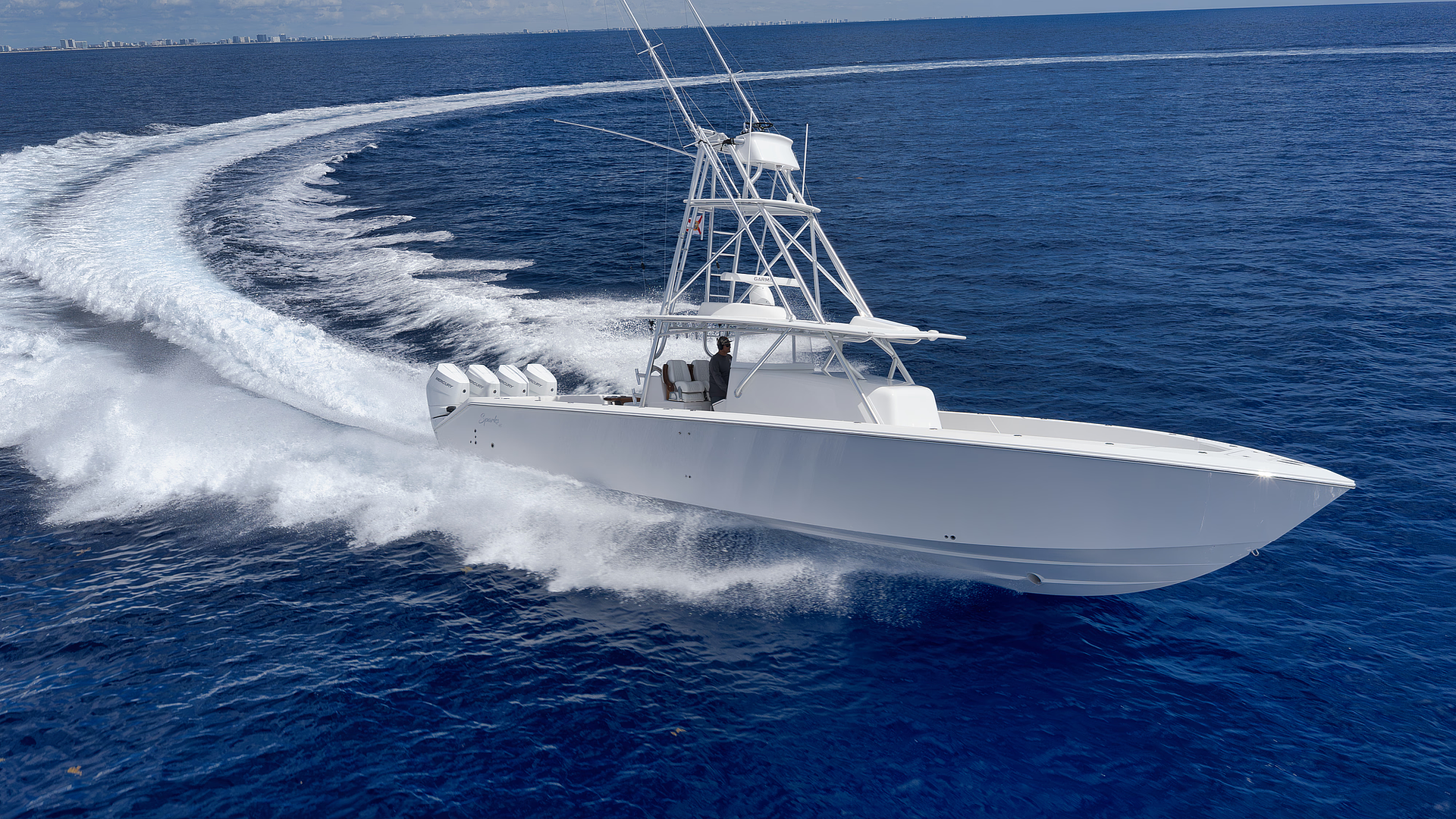
Florida boats for sale offer an incredible opportunity for boating enthusiasts, from luxury yachts to fishing vessels. With thousands of miles of coastline, lakes, and waterways, Florida is one of the most popular states for boating in the United States. However, purchasing a boat requires more than just picking one that looks appealing. Knowing the things to check before buying a boat in Florida including surveys, title verification, sea trials, insurance, and hurricane preparation ensures a safe, legal, and satisfying investment.
Florida boating offers incredible recreational opportunities, but it also comes with unique considerations, from legal requirements to hurricane preparedness. This guide walks you through the five most important checks every buyer should make, helping you enjoy your Florida boat safely and confidently.
Conducting a Boat Survey
A professional boat survey is the most critical step when buying a boat. A certified marine surveyor will examine the vessel thoroughly to identify any structural damage, mechanical issues, or safety concerns that could affect performance and resale value.
Why a survey is essential:
A survey gives you a complete understanding of the boat’s condition, including its hull, engine, electrical systems, and safety features. It can also reveal hidden damage from storms, collisions, or poor maintenance.
Detailed survey considerations:
- Hull and structural integrity: Look for cracks, blisters, soft spots, and evidence of past repairs. Fiberglass, wood, and aluminum boats all require specific inspection techniques.
- Engine and propulsion systems: Review engine hours, fuel system, transmission, exhaust, and propellers. Check for unusual noises, leaks, or excessive smoke.
- Electrical and navigation systems: Inspect batteries, wiring, lighting, GPS, radar, and autopilot systems for reliability.
- Plumbing systems: Test freshwater systems, bilge pumps, waste pumps, and live wells. Malfunctions can lead to costly repairs.
- Safety equipment: Verify fire extinguishers, life jackets, flares, first aid kits, and emergency signaling devices.
- Signs of corrosion or wear: Examine metal fittings, shafts, and propellers for rust or deterioration.
- Past damage assessment: A surveyor can detect previous collisions, groundings, or storm damage.
Tips for a successful survey:
- Hire a marine surveyor certified by the National Association of Marine Surveyors (NAMS) or Society of Accredited Marine Surveyors (SAMS).
- Attend the survey to ask questions and understand the findings.
- Use the survey report to negotiate repairs or price adjustments with the seller.
A thorough survey ensures that your Florida boat purchase is safe, reliable, and holds long term value.
Verifying Title and Registration
Legal verification of the title and registration is crucial before purchasing any boat. Florida law mandates that all boats longer than 16 feet have a valid title and registration.
What to check for title and registration:
- Clear title: Ensure the boat is free of liens or financial encumbrances. A lien can prevent you from taking legal ownership.
- Hull Identification Number (HIN): Verify that the HIN on the boat matches the paperwork. Discrepancies could indicate stolen or misrepresented vessels.
- Florida registration status: Check with the Florida Fish and Wildlife Conservation Commission (FWC) to ensure the registration is valid.
- Previous ownership history: Understand how the boat was used personal recreation, rental, or commercial operations. This can affect wear and insurance rates.
- Proper documentation: All paperwork should be complete, accurate, and transferable. Ensure the bill of sale, title transfer form, and registration certificate are included.
Practical tips:
- Avoid cash only transactions without proper documentation.
- Confirm the seller is the legal owner before finalizing the sale.
- Keep copies of all documents for your records, including any warranties or service histories.
Correct title and registration not only ensure legal compliance but also protect you from future disputes or claims.
Performing Sea Trials
A sea trial is essentially a test drive on water. It allows you to evaluate how the boat performs in real world conditions and how well it suits your intended use.
Preparing for a sea trial:
- Schedule the trial during calm weather and daylight for optimal conditions.
- Bring a checklist of all onboard systems to verify during the trial.
- Consider bringing a marine surveyor or experienced boater for a second opinion.
What to observe during a sea trial:
- Engine performance: Check acceleration, cruising speed, idling, and smooth operation. Watch for smoke, unusual noises, or vibrations.
- Handling and steering: Evaluate responsiveness, turning ability, and stability in choppy waters.
- Electrical and navigation systems: Test lights, GPS, radios, and other electronics.
- Safety features: Confirm that bilge pumps, alarms, and life saving equipment are operational.
- Noise and vibration: Identify any unusual sounds or excessive vibration from the engine or hull.
Tips for a successful sea trial:
- Test the boat at various speeds and in different conditions.
- Check fuel consumption during the trial to estimate operational costs.
- Take note of comfort, ergonomics, and ease of operation, especially if you plan to spend long hours onboard.
A comprehensive sea trial ensures the boat meets performance expectations and is safe for daily use.
Obtaining Insurance
Insurance is a critical aspect of boat ownership. Florida’s waterways present unique risks, including accidents, theft, and storm damage.
Types of insurance to consider:
- Liability coverage: Protects against injury or property damage caused to others.
- Hull insurance: Covers physical damage to your boat, including collisions or accidents.
- Equipment coverage: Insures onboard electronics, fishing gear, sails, and additional equipment.
- Hurricane or storm coverage: Strongly recommended in Florida due to the state’s vulnerability to hurricanes.
Tips for selecting insurance:
- Compare multiple providers that specialize in marine insurance.
- Review policy limits, deductibles, and exclusions.
- Include towing coverage, salvage coverage, and emergency assistance if available.
- Ensure the policy matches your usage, whether coastal cruising, fishing, or leisure boating.
Insurance provides peace of mind and protects your financial investment against unforeseen events.
Hurricane Preparation and Safety
Florida’s coastal location makes hurricane preparation a must for boat owners. Hurricanes and tropical storms can cause severe damage to vessels and property.
Steps to prepare for hurricanes:
- Secure mooring: Use heavy duty lines, anchors, and fenders to prevent drifting or damage.
- Relocate to safe locations: Consider hurricane resistant marinas or dry storage facilities.
- Remove valuables: Take out electronics, personal items, and equipment to prevent loss or damage.
- Review insurance: Confirm your policy covers hurricane damage and storm related losses.
- Coordinate with marina: Understand evacuation procedures, emergency contacts, and shelter options.
Additional tips:
- Regularly inspect mooring lines and equipment.
- Keep a hurricane kit with emergency supplies onshore.
- Document your boat’s condition with photos for insurance claims.
Being prepared reduces risk and ensures both your safety and the protection of your investment.
Conclusion
Purchasing a boat in Florida is rewarding but requires careful preparation. By following these five key steps conducting a survey, verifying title and registration, performing sea trials, securing insurance, and preparing for hurricanes you can ensure a safe, legal, and enjoyable boating experience.
At Sparky Yacht Sales, we help buyers explore Florida boats for sale with expert guidance, trusted marine surveyors, insurance specialists, and connections to secure marinas. With careful research and preparation, your Florida boating experience can be safe, memorable, and worry free.
Contact Us for more information or any enquiry.
Frequently Asked Questions
Q1: How much does a professional boat survey cost in Florida?
Survey fees typically range from $300 to $800, depending on the size and complexity of the boat.
Q2: Can I transfer a Florida boat title myself?
Yes, as long as all liens are cleared and all documentation is complete.
Q3: Is hurricane insurance mandatory for boats in Florida?
No, but it is strongly recommended due to the high risk of tropical storms.
Q4: How long does a sea trial usually take?
Most sea trials last 30 minutes to an hour, depending on the boat.
Q5: What are the most common issues found during boat surveys?
Engine problems, structural defects, corrosion, and outdated safety equipment are among the most common findings.
Q6: Can I negotiate the price based on survey results?
Absolutely. Survey findings often serve as leverage for price reductions or repair requests.
Q7: Are used boats riskier than new boats?
Used boats may carry more hidden issues, making surveys and inspections even more critical.